Most people hear "A5" and think it just means "the best." They're not wrong, but the grading system behind that label is more interesting than a simple ranking. Japan built one of the most precise beef evaluation systems in the world, and understanding it changes how you buy, sell, and eat wagyu.
The Japanese Meat Grading Association (JMGA) has been grading every beef carcass in the country since 1988. Not some of them. Every single one. The system evaluates two things: how much usable meat a carcass produces (the letter), and how good that meat actually is (the number).
The letter: yield grade
The letter (A, B, or C) tells you about yield, which is the percentage of usable meat relative to the total carcass weight. It's calculated from rib eye area, rib thickness, subcutaneous fat thickness, and half-carcass weight. A means 72% or above. B is 69% to just under 72%. C is below 69%.
For buyers, the letter matters because it affects how much actual product you get per animal. An A-grade carcass gives you more sellable cuts. That said, the letter has nothing to do with flavor, marbling, or eating quality. A C5 could theoretically taste better than an A3.
The number: quality grade
This is where it gets interesting. The quality grade (1 through 5) is based on four factors: marbling, meat color and brightness, fat color and quality, and firmness and texture. Each factor is scored independently, and here's the critical part: the overall grade equals the lowest individual score.
So if a carcass scores a 5 on marbling, a 5 on color, a 5 on fat quality, but only a 4 on firmness, the overall quality grade is 4. Not an average. The floor. This means every A5 carcass had to hit 5 across all four criteria. Nothing slipped through.
The overall quality grade equals the lowest individual score. Every A5 had to hit 5 across all four criteria.
BMS: the marbling scale
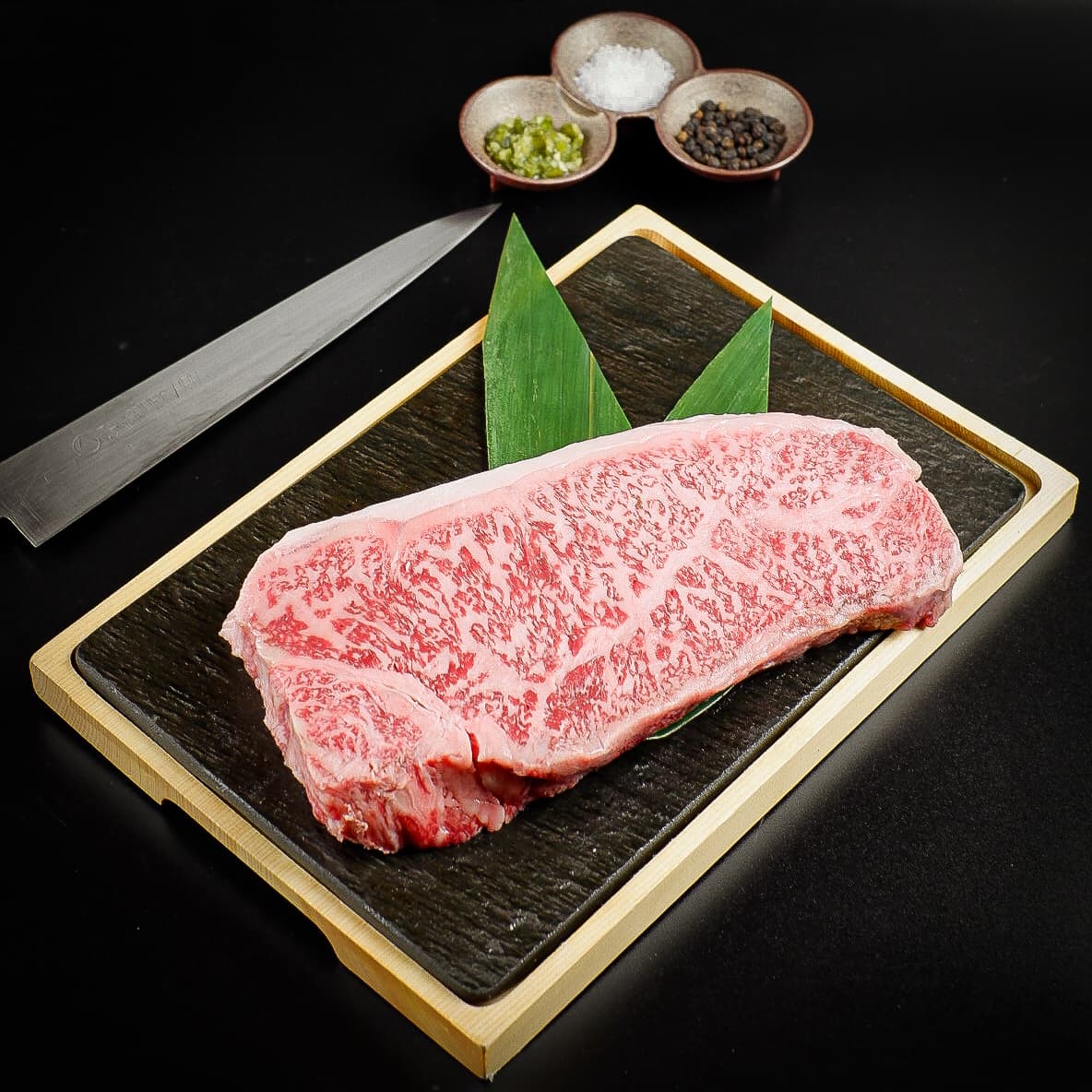
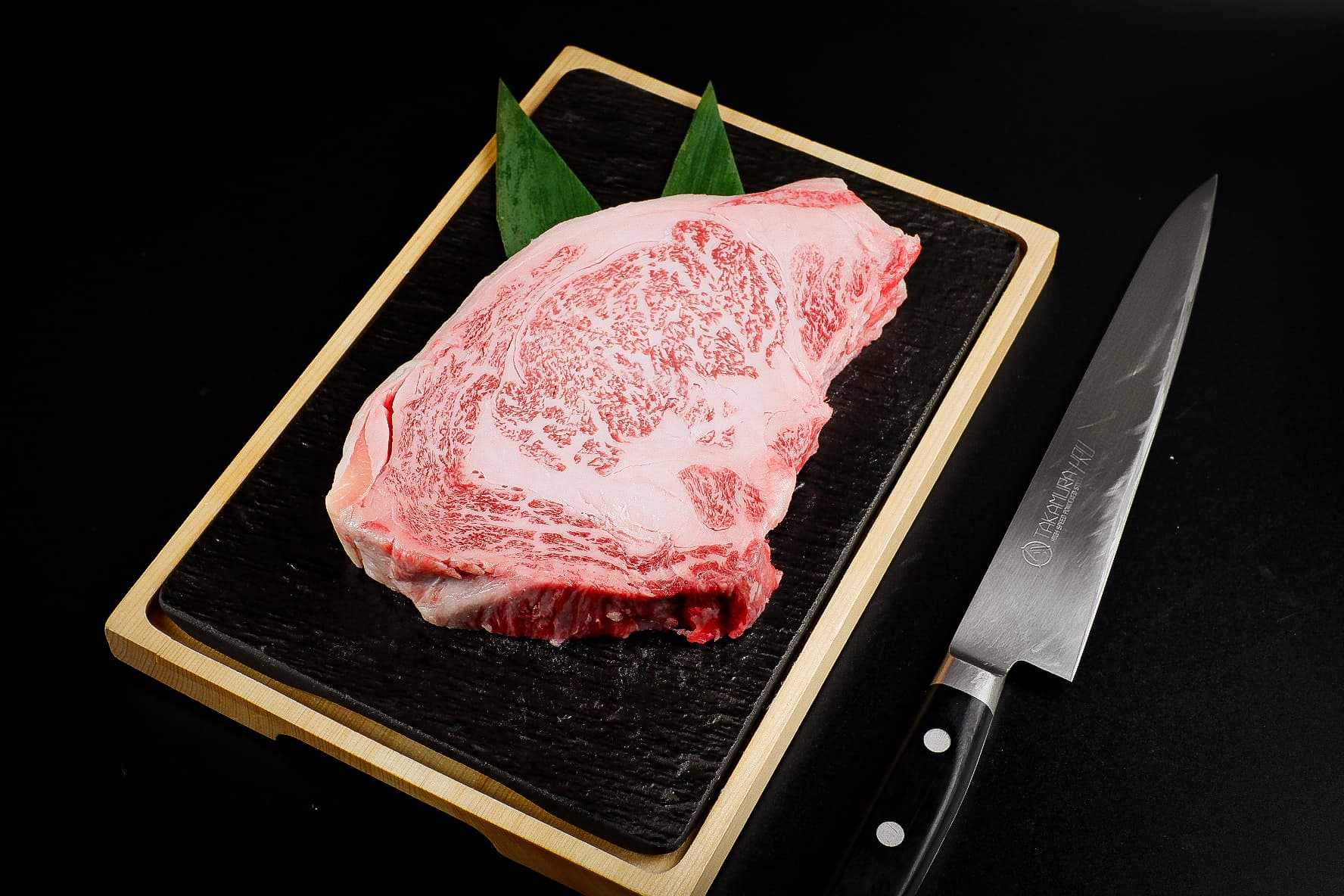
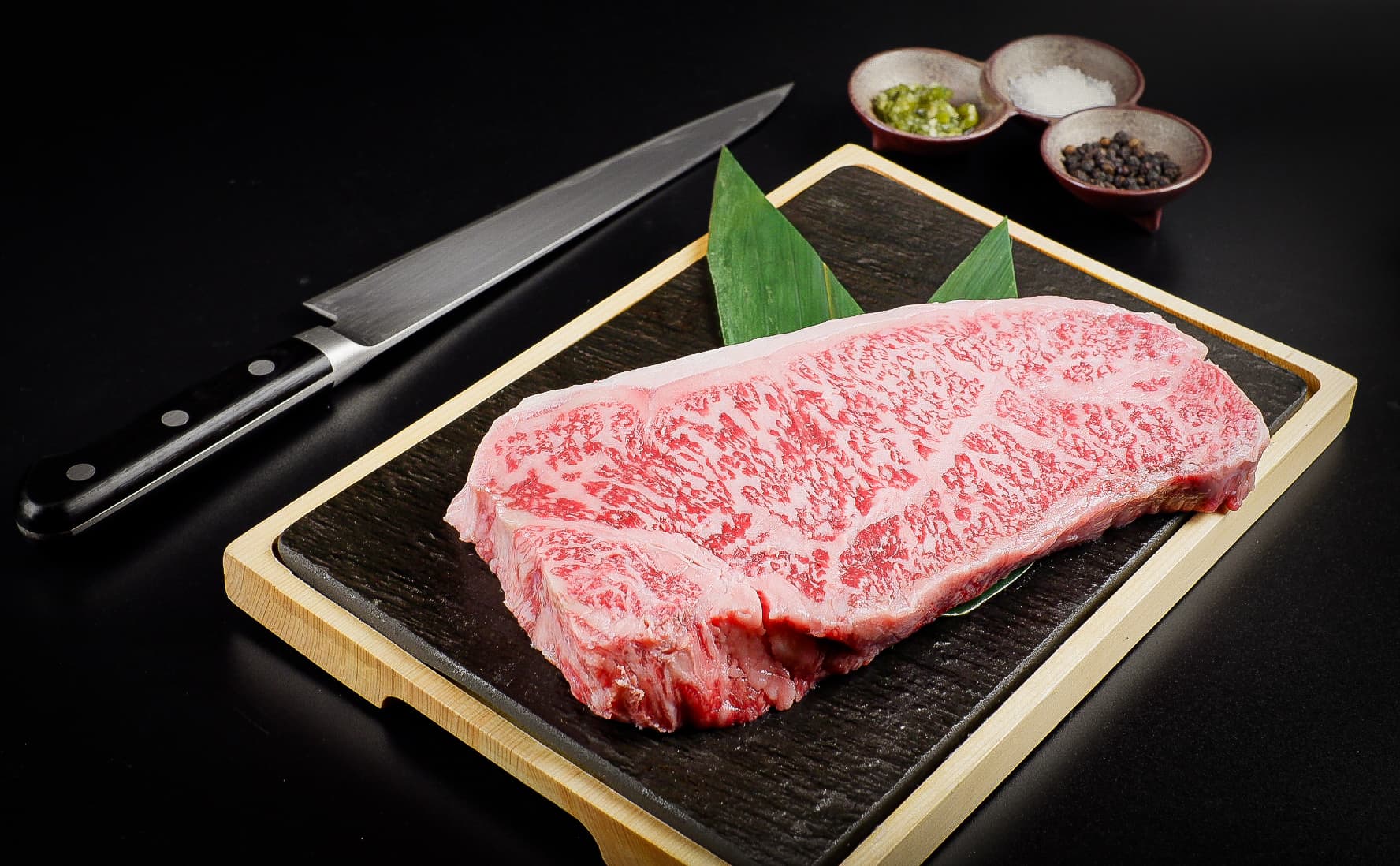
Within that quality grade, the Beef Marbling Standard (BMS) is what most people care about. It runs from 1 to 12, evaluated by looking at a cross-section of the rib eye between the 6th and 7th rib. BMS 1 through 3 is minimal marbling. 4 through 6 is moderate. 7 through 9 is where wagyu starts to really separate from everything else. And 10 through 12 is the top tier, the stuff that makes people stop mid-bite.
To achieve A5, you need a BMS of 8 or higher. But within A5, there's a big range. A BMS 8 is beautiful beef. A BMS 12 is something else entirely. The marbling at that level doesn't just look different, it changes how the fat distributes heat during cooking and how the beef feels on your palate.
Who does the grading?
JMGA-certified graders examine each carcass using standardized photographic references. These aren't random inspectors. Graders train for years before they're certified, and they undergo periodic recalibration to keep their assessments consistent. The system is designed to eliminate subjectivity as much as possible.
Every graded carcass gets a certificate with the scores, and that documentation follows the meat all the way to the buyer. When we import, those certificates come with it. You can see exactly what was evaluated and how it scored.
What this means for buyers
If you're a distributor or restaurant, the grading system is your quality guarantee. You're not trusting a brand name or a sales pitch. You're looking at an objective evaluation done at the source by trained professionals. The BMS score tells you exactly what level of marbling to expect, and the yield grade tells you how efficiently that carcass was processed.
One thing worth knowing: not all A5 is the same. A BMS 8 ribeye and a BMS 12 ribeye are both A5, but the price difference can be significant, and the eating experience is noticeably different. When you're building a wagyu program, knowing where on that 8-to-12 spectrum you want to land is one of the most important decisions you'll make.