There's a story that gets told at steakhouses and dinner parties around the world. It goes something like this: in Japan, pampered cattle drink beer, get daily massages, and listen to Mozart while they graze on pristine mountain pastures. It's a nice story. Most of it isn't true.
The beer thing
A Kobe cattle farmer with nearly 40 years of experience put it plainly: "Neither I nor any beef farmer I know would ever dream of giving cows beer." Some farms have experimented with adding beer residues (without alcohol) to feed mixes, but this isn't standard practice. It's not what makes wagyu taste the way it does. The beer myth probably started because it's a memorable detail that sounds exotic and luxurious. It stuck because people like a good story.
The massage myth
This one has a grain of truth, but it's been stretched pretty far. Some farmers do brush their cattle with stiff bamboo brushes. It helps with circulation, reduces stress, and keeps the animals clean. It's a husbandry practice, not a spa treatment. The image of farmers spending hours giving deep-tissue massages to individual cows is fiction.
That said, stress reduction does matter. A calm animal produces better beef. High cortisol levels affect meat quality. So while the "massage" label is misleading, the underlying principle of keeping cattle comfortable and stress-free is very real and very important.
The classical music
Some farmers do play music in their barns. Not necessarily classical, and not because Beethoven improves marbling. A consistent ambient sound keeps cattle calm, especially in enclosed feeding environments. It masks sudden noises that might startle them. There's zero scientific evidence that music itself changes meat quality. The benefit is simply that calm cows eat better and stress less.
Genetics set the ceiling. The feeding program is what gets the animal there.
What actually matters
If the myths are the sizzle, here's the steak. Three things determine wagyu quality, and none of them involve a playlist.
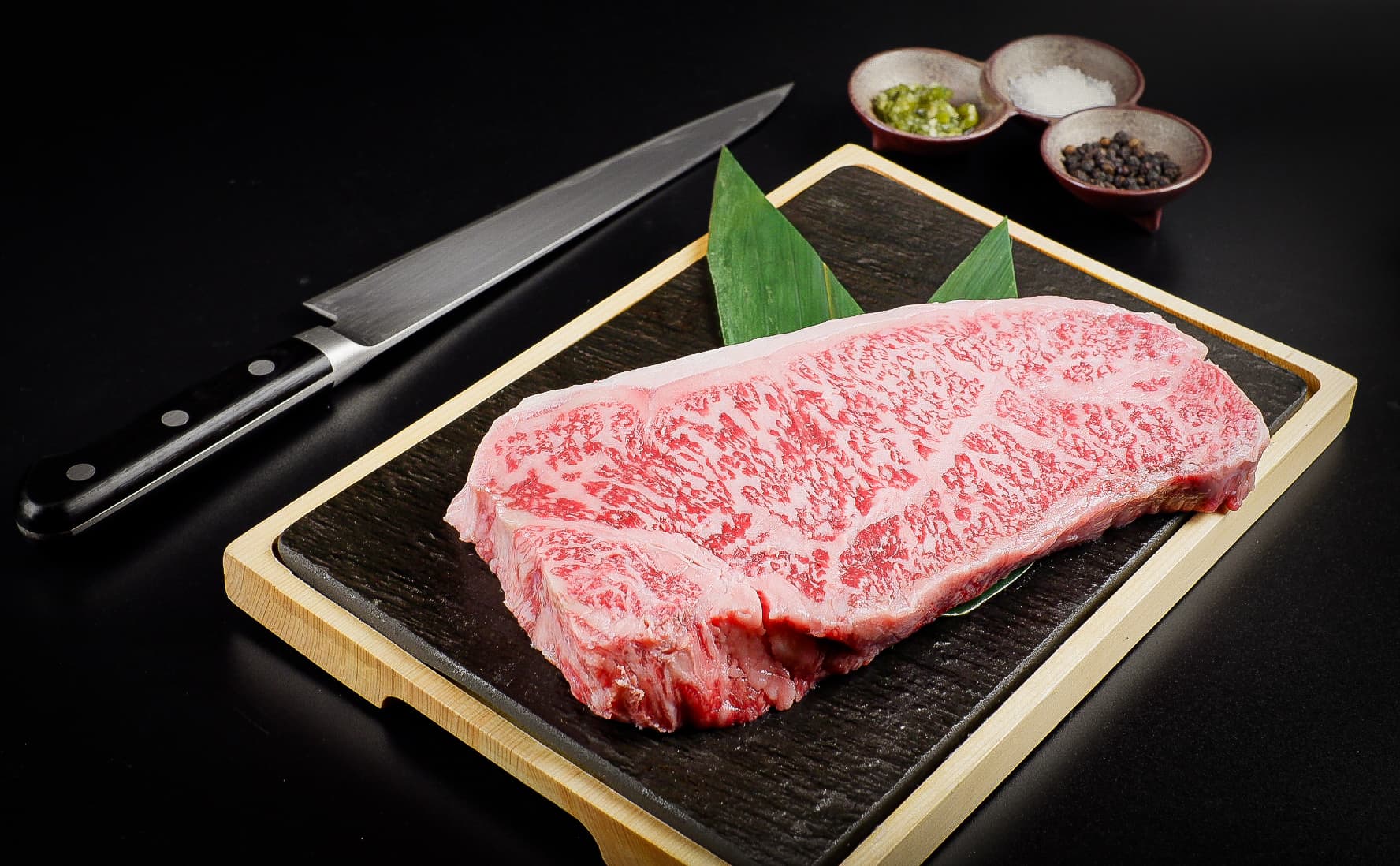
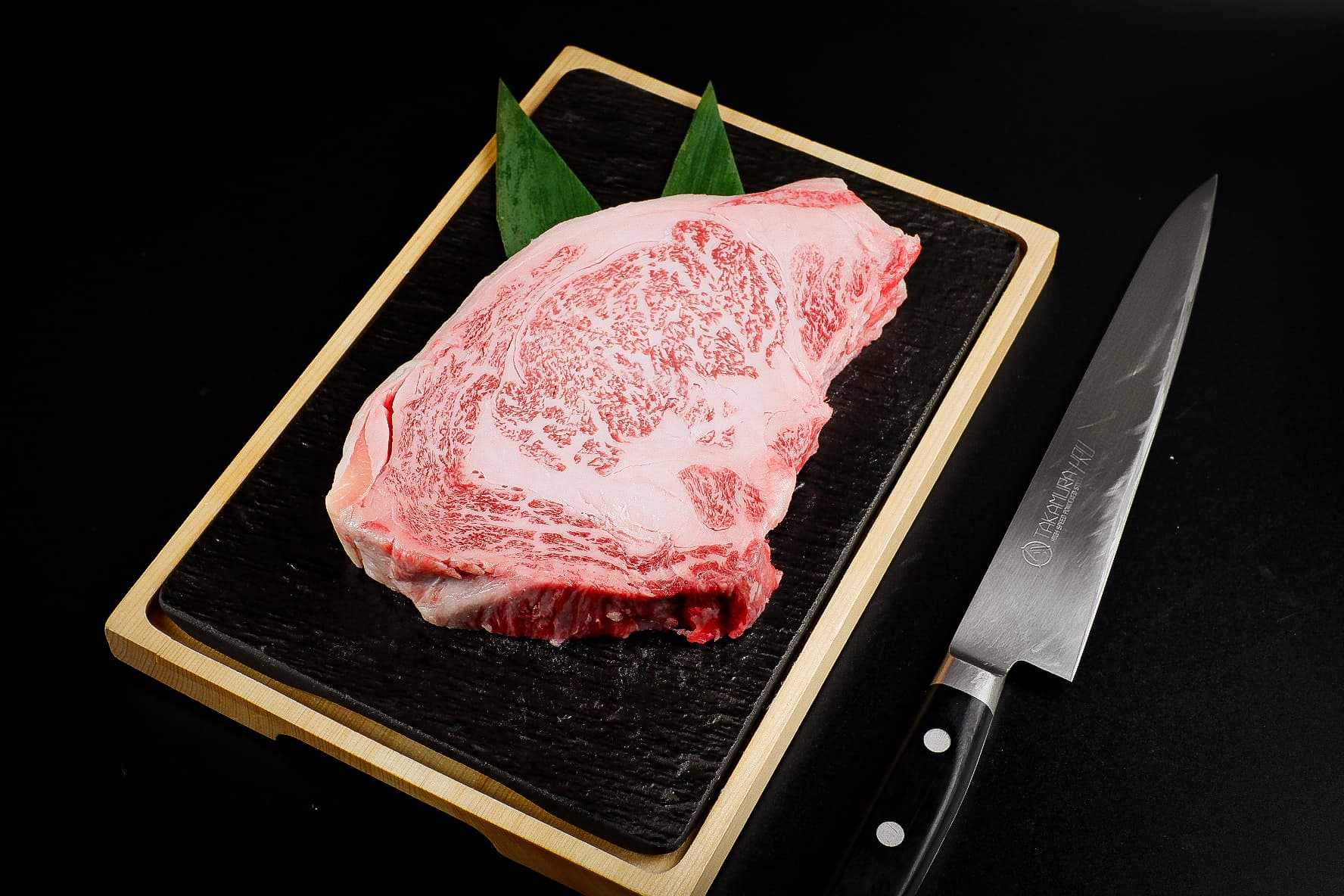
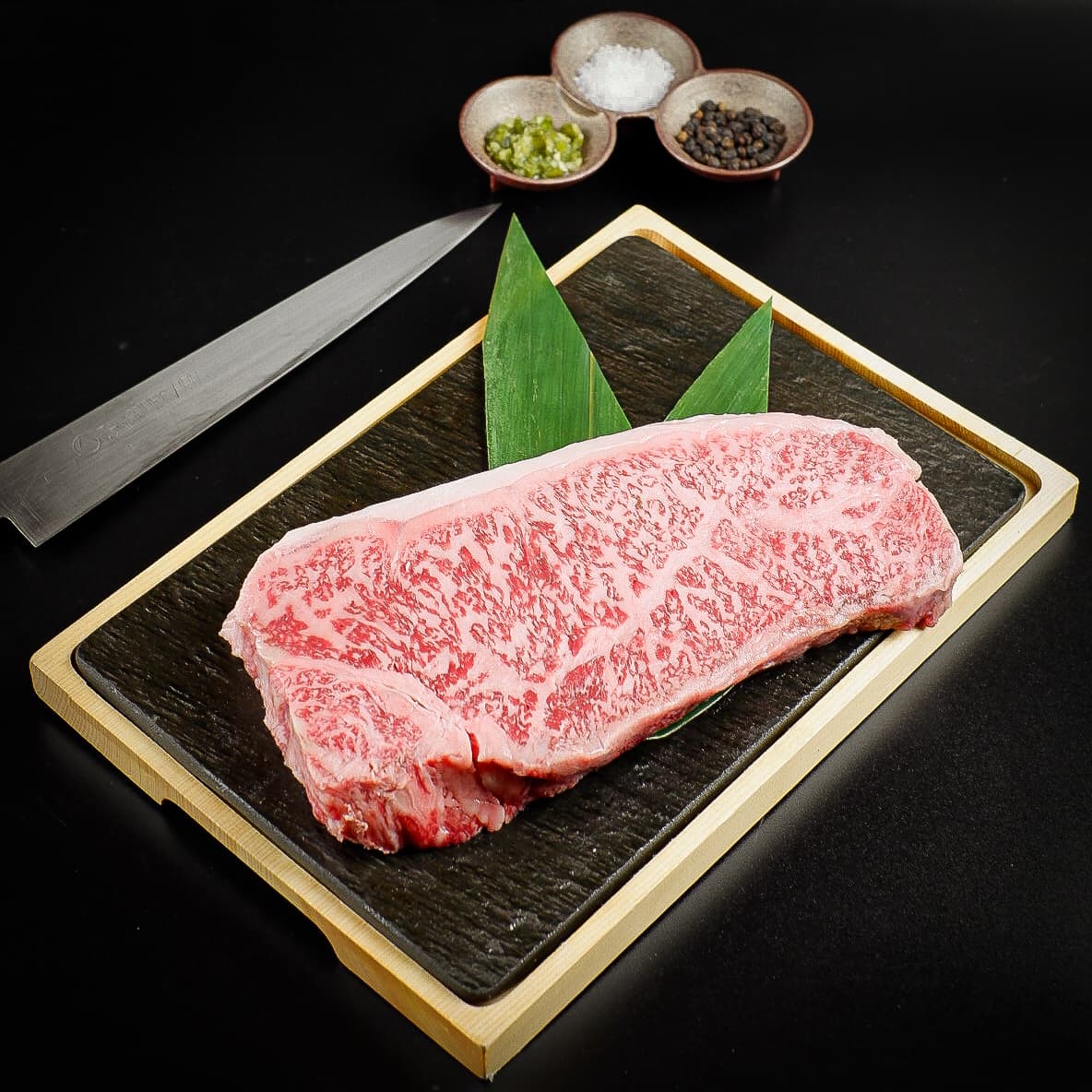
First, genetics. Wagyu cattle are genetically predisposed to deposit intramuscular fat differently than other breeds. They have higher activity of an enzyme called stearoyl-CoA desaturase, which converts saturated fatty acids into monounsaturated ones (primarily oleic acid, the same fat found in olive oil). This is why wagyu fat melts at roughly 77°F, well below body temperature, and why it has that buttery texture. You can't feed your way to that. It's in the DNA.
Second, the feeding program. Wagyu cattle in Japan are finished on high-energy grain diets (corn, barley, wheat, with rice straw for roughage) for 400 to 600+ days. Compare that to 300 to 400 days for conventional American cattle. That extended fattening period gives more time for intramuscular fat to develop and for that fat to undergo desaturation, the process that makes it melt at lower temperatures.
Third, breed. Japan recognizes four native cattle breeds: Japanese Black (Kuroge Washu), Japanese Brown (Akage Washu), Japanese Shorthorn, and Japanese Polled. About 90% or more of all wagyu produced in Japan is Japanese Black, the breed with the highest marbling potential. The Japanese Polled is critically endangered with roughly 200 head remaining.
How to know it's real
Every cattle animal in Japan gets a unique 10-digit identification number. This number goes on all authentic wagyu packaging and can be looked up in a national database managed by the Japanese National Livestock Breeding Center. The database shows place of birth, gender, breed, maternal lineage, feeding duration, slaughter location, and processing details. Japanese wagyu also comes with JMGA certificates of authenticity bearing that same ID.
If someone is selling you "wagyu" without a 10-digit traceability number and a JMGA certificate, you're not buying Japanese wagyu. You might be buying American wagyu (crossbred, typically wagyu-Angus, USDA graded) or Australian wagyu (crossbred, AUS-MEAT grading). Those can be good products, but they're different products. The grading systems aren't interchangeable.
Skip the folklore. The real story of wagyu is about genetics, patience, and a grading system that doesn't leave room for guesswork. That's more impressive than any beer-drinking cow.